
Weight loss is a constant struggle for some people, even for some pro athletes. Genetics, level of physical activity and (most important) proper nutrition are all major players in and individual’s weight loss strategy.
But with so many “Low-Carb, No-Carb”, “Smoothie/Shake” and “Magic Pill” diet plans available on the market today, how do you know which one is right for you? Which one will provide the lasting results you so desperately desire?
Spoiler Alert: The answer is NONE. There is no ONE single diet plan that will provide cookie-cutter weight loss results for every unique individual who participates. In fact, some commercial diet plans may even cause more harm than good to your health in the long run.
Studies that show that the majority of people who participate in a diet and do lose weight, unfortunately, will either return to their prior weight or gain back more weight than before within six months.
So now that I’ve burst your “late-night-infomercial bubble”…let’s talk about WHY “fad-diets” do NOT work:
First, you need to understand the word “DIET”: Diet is defined as the kinds of food that a person, animal, or community habitually eats. Key word: habitually.  This means a diet describes the general long-term eating habits of a person. No 21-day “fix”. No 2-week cleanse. No colored containers. No bars and shakes. Plain and simple…your DIET describes the nutrients (aka food) YOU choose to consume regularly throughout your ENTIRE life.
There shouldn’t be a time stamp or number on a scale that determines how long you will choose to eat healthy. So any diet plan that promises an exuberant amount of weight loss in a short amount of time, is most likely not the healthiest diet choice. Instead, think of food as fuel that consistently produces the energy needed to perform your daily functions. There will be days that you will need more energy than others. Some days not as much fuel will be needed and choosing the appropriate foods to produce the fuel your body requires is a life habit that can be easily learned.
Low-calorie or semi-starvation crash diets are especially harmful to the human body. By denying or restricting your body of nutrition, you are basically asking a car to make a cross-country journey on a quarter tank of gas. Eventually you will run down. Will you get skinny? Yup! Will you feel like crap and eventually gain the weight back? YUP!!!

The human body is insanely smart and it’s equipped with survival defenses you may not even realize you had. When it is cold: You shiver, a mechanism your body uses to maintain body temperature and ward off hypothermia. When you starve: Your metabolism slows down and so does the process of burning energy from food, a survival technique our early cave-ancestors used when food was scarce and energy needed to be stored to last until the next meal.
Habitually denying your body of the fuel needed can cause dramatic hormonal changes that can result in decrease in bone density, loss of hair, liver and kidney disease, etc. This means fad diets that exclude or eliminate one or more food groups or nutrients can cause serious side-effects may take months or years to repair.
According to the American College of Sports Medicine (ACSM) the best type of diet is one that includes a variety of nutrients, vitamins and minerals combined with a 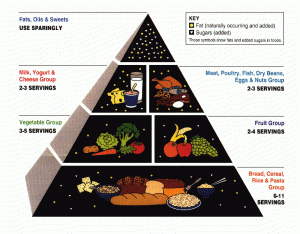 moderate exercise plan. The best coarse of action is to take another look at the food pyramid…yes, that ancient triangular chart of nutrients your Phys-Ed teacher would bust out in health class is actually a pretty useful resource when establishing a health conscious diet plan.
Keeping a food journal and tracking your macros are helpful tools in creating an appropriate diet to match your lifestyle and energy needs. By keeping a consistent log of daily meals and exercise and comparing it to your body’s reaction in weight, inches and fat % levels will give you a good idea of how well you are able to consume and properly digest certain foods. If, after a couple of months, you still do not feel that you have grasped a firm grip on a healthy and effective diet or don’t see results, it may be a good idea to contact a registered dietician for professional advice.
 muscle to lack oxygen and enter the anaerobic phase, essentially burning more calories. These exercises can be done with or without external weights, depending on your level of fitness.
 Studies have shown that HIIT exercise is a great way to increase muscular strength as well as improve cardiovascular performance. This type of training can be a fun way to spice up a mundane workout schedule and will continuously challenge your muscles in new ways. So give it a try the next time you’re pressed for time but want to get it a quick, yet effective, calorie burner in…you’ll thank me!
 pick up a case of the bottled stuff;) But seriously, our bodies require a lot of H2o in order to function at it’s best throughout the day. Water helps recharge and cleanse your internal organs. It also helps move built up toxins out of the body. Ideally women should be drinking about 9-11 eight ounce cups of water a day. That may sound like a lot, but if you can get yourself into the habit of drinking one cup every hour during the day, I promise you will feel AND see a difference in just a few days!
 week and still not be able to achieve that sought after Hour-Glass physique. In order to achieve a proportional waist-to-upper body “V” shape, you need to work your upper and mid back muscles. A lot of beginners don’t spend much time or focus on the back muscles because…Well, let’s be REAL ladies…you don’t hear too many people shouting “Yo honey…Nice Lats!“ or “Check out the Rhomboids on that Chick!“. However, incorporating the major muscle groups off your back into your workout routine will not only support better posture and lessen back pain, but it also creates the illusion of a smaller waistline.





 But where do you start? How do you begin your own, personal fitness journey? The answer is actually already within you.


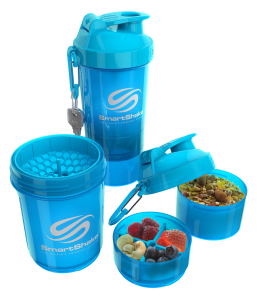
 on Amazon for around $10 + shipping.





 Girly FLEX