
So you’ve been thinking about getting in shape and starting a fitness journey of your own. That’s awesome! There are so many benefits that come from exercise and healthy eating regimen. Reduced risk of cardiovascular disease, decreased chance of pre-diabetes and avoidance of possible physical injury are just a few perks of a healthy lifestyle.
 But where do you start? How do you begin your own, personal fitness journey? The answer is actually already within you.
Step 1: Grab a sheet of paper and a pen and write down a list of answers to the following questions:
- Start by asking yourself “why?”. Why do you want to make a change?
- Next, ask yourself “what?”. What is your ultimate goal?
- Finally, ask yourself “when”. When do you plan to start?
Establishing the reasons for choosing a healthier lifestyle will ultimately be the roadmap for your fitness journey.
Step 2: For each one of the above questions, choose 1 top answer. Just like using a GPS in your car to get you from point A to point B, your “when” will be your starting point and your “why” and “what” will be your ultimate destination.
Step 3: Now that you have a clear picture of your starting point and destination, it’s time to draw out a map of “how” to get there.
If your “why” is wanting to improve your overall health and feel better mentally and physically, start by making small, realistic goals that can be achieved and continued as part of your daily lifestyle. Try beginning by taking a daily brisk walk for 5-10 minutes a day and including more fresh fruits and vegetables to your diet.
After completing your small goals for a week or two, make adjustments in time and intensity to challenge yourself further. Turn your brisk walk into a walk/jog combo or extend your time by 5 or 10 minutes.
Keep a journal of your exercise and diet. The most advanced athletes today do this and so should you! Even if your journal entries are as simple as: “walked 20 minutes, intake: 2200 calories, weight 162 lbs” this is a great starting point. You will be able to look back a previous entries and be amazed at how far you have come and reflect on your progress.


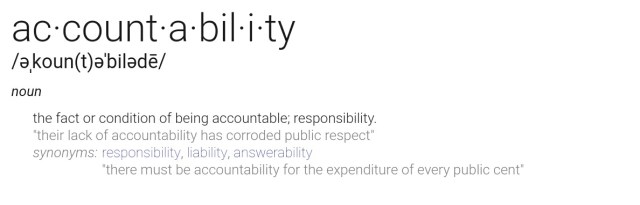
NOTE: It is important that you are honest and accurate with your journal entries. Read more about why from my post on Being Accountable.
For toning and building muscle, start off with 1 or 2 sets of 12-15 repetitions of lower weights with simple exercises like bicep curls, side lateral raises, lunges, etc. Keep your main focus on your form and posture. Once you feel comfortable with the weight resistance and confident in your form, you can increase the weight and lower the number of reps to 8-10 with the new weight. Again, focus on form and posture and increase the number of reps before moving on to the next weight increase. Repeating this process will give you results while avoiding injury or overtaining for beginners.
If your “what” and “why” is more advanced and you want to work towards a more specific goal, the assistance from a professional may be required. Certified personal trainers and registered dietician have the scientific knowledge and experience needed to accurately, and safely get you on route to reaching your goals.
Step 4: Stay motivated. Keep your goals and reasons why in mind. Look back at the progress you have made and be proud of yourself. Small successes are successes non the less. Take progress pictures to remind yourself of the person you were and the person you are now. Being aware of your progress will help keep you motivated and give you the drive to set and reach new goals.
No matter what your reason for choosing your new fit life is, know that simply making the decision to change for the better is a HUGE step in itself. Keep your goals attainable and clear in your mind. Remember, everybody had to start somewhere and everyone’s journey is their own. Give yourself the chance to travel along your fitness journey and you will thank yourself later!



 Girly FLEX