
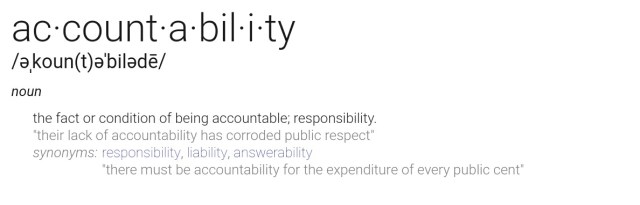
What does accountability mean to you? Does it mean tracking macros or the number of steps you have taken in a day? Or does it mean establishing a goal and doing all steps necessary to reach that goal? Whatever accountability means to you, the key to being accountable is HONESTY!
Whether you’re reporting your progress to a personal trainer or just keeping records for your own personal knowledge, being 100% honest is the only way to decipher if the steps you are taking are effective or not. We’ve all had “cheat days” where we indulge in foods or drinks that aren’t part of our scheduled diet or skipped a workout for whatever reason. This is completely OK! Again, we’ve all done it… I mean, donuts are freakin delicious, right?!?
But what happens when we choose to simply “pretend” our slip-ups never happened? Who are we really cheating if we are not honest and accountable for our actions? Ourselves, that’s who! Having a perfect meal log looks petty on paper, but unless it is accurate, that is all it is, a pretty piece of paper. How do we know what works and what doesn’t without the facts?
Here are a few ways to help stay accountable:

Technology has made being accountable for your fitness progress easier than ever. Most smartphones come with fitness apps pre-installed or you can download one of the many available for purchase or, better yet, FREE! Most of these apps offer a list of registered food items with the macronutrients already calculated per portion size. There’s also a wide variety of wearable technology that can make tracking your daily activity, such as walking, easy as well.s


While these technologies are a great aid for getting an estimation of your progress, they may not be 100% accurate. Human error plays a big role in some of the inaccuracies, and sometimes it is unintentional errors. Forgetting to log a meal or not charging your wearable tracker are a few unintentional human errors that can lead to inaccurate progress logs.
Another method for tracking progress can be extremely accurate, however, it also requires a good deal of knowledge, commitment and accountability…that’s right: the old-school notebook and pen. By keeping a physical log of activities and meals, you get a visual snapshot of current and past progress. In the beginning, measuring food portions, looking up macros and handwriting workout logs may seem time-consuming, but after a while you will be amazed at how familiar you’ll become with certain foods and exercise caloric expenditures. Also, your notebook can be a good place to jot down quick notes or comments to yourself to review later.
Which ever method of progress tracking you choose, keep in mind that the key to any successful fitness program is within YOU and the choices you make. Being accountable for your choices and honest with yourself will make reaching your goals possible.
 Girly FLEX